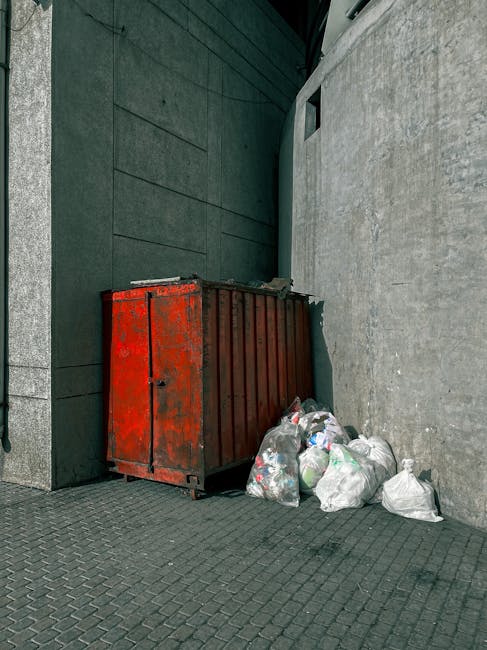
Bow Road skip alternatives for fast rubbish disposal
If you need rubbish gone quickly around Bow Road, a skip is not always the fastest or easiest answer. Parking space can be tight, permits can slow things down, and sometimes you only need a same-day or next-day clear-out rather than a big metal container sitting outside for days. That is where Bow Road skip alternatives for fast rubbish disposal come in. In plain English: you get the waste removed with less hassle, less waiting, and usually a better fit for awkward streets, flats, and busy schedules.
This guide walks you through the main alternatives, how they work, when they make sense, and what to watch out for. If you are clearing a flat, dealing with builders' debris, or just staring at a pile of stuff that has been bothering you for weeks, you will find a practical route here. Let's make it simple.
Why Bow Road skip alternatives for fast rubbish disposal Matters
Bow Road sits in a part of London where time, space, and access matter. That sounds obvious, but it changes everything about waste removal. A skip can work well on a driveway or a wide, quiet street. On Bow Road, though, you may be dealing with shared entrances, limited kerb space, busy traffic, or a building with no easy place to drop a container. Add in the fact that some waste needs sorting before collection, and suddenly the "simple skip" starts looking a bit less simple.
For many people, speed is the real issue. Maybe you have a lease ending. Maybe the landlord wants the flat empty by Friday. Maybe a kitchen rip-out has created dust, offcuts, and packaging everywhere, and you need it cleared before the next trade arrives. In those cases, an alternative such as man and van rubbish removal or a specialist clearance service can be far quicker than organising a skip permit and waiting for delivery.
There is also the practical side. A lot of waste is not ideal for a traditional skip: one bulky sofa, a fridge, mixed household rubbish, old office filing, or a tricky loft clear-out can be easier to handle with a targeted service. If you need something removed today, not "when the skip eventually turns up", alternatives are often the sensible choice. Truth be told, they can save a fair bit of stress too.
And yes, waste removal is not just about speed. It is about convenience, safety, and getting the right item to the right disposal route. That matters if you want the job done properly rather than just done quickly.
How Bow Road skip alternatives for fast rubbish disposal Works
The basic idea is straightforward. Instead of hiring a skip and filling it yourself, you book a waste removal team or clearance service to collect the rubbish from your property. The team arrives, loads the waste for you, and takes it away for sorting, reuse, recycling, or disposal, depending on what the load contains.
In practice, the process often looks like this:
- You describe the waste type and approximate volume.
- You choose a collection time, often same-day or next-day if available.
- The team arrives, usually with the labour needed to carry items out.
- Everything is loaded safely and removed in one go.
- The waste is taken to the appropriate transfer or processing route.
That final step is important. If you are comparing providers, it is worth asking what happens after collection. Good waste handling means different materials are separated where possible. Reusable furniture might be diverted elsewhere, metal can be recycled, green waste handled separately, and certain items such as fridges or hazardous materials dealt with through specific channels. For general guidance on item types, it helps to check what can go in a skip, because many of the same sorting principles apply even when you are not using a skip at all.
Some services are broader than others. A home clearance can cover several roomfuls of mixed items. A furniture disposal service may be better if the main problem is bulky household pieces. If you are clearing a workplace, an office clearance can handle desks, chairs, archive clutter, and old equipment with less disruption to the day. That kind of fit matters. It avoids paying for the wrong kind of job.
For heavier trade waste, builders' rubble, or demolition offcuts, a dedicated builders waste clearance approach is usually more practical than waiting around for a skip permit. And if the job is mostly a full-property reset rather than a simple tip run, a broader waste removal service is often the cleanest route.
Key Benefits and Practical Advantages
The biggest advantage is speed. That is the headline, and for good reason. When rubbish needs to go quickly, alternatives to skips can cut out several steps. No waiting around for a skip to be delivered, no wondering whether the street has enough space, and no half-finished pile sitting outside your home all weekend.
Here are the main practical benefits:
- Less waiting time: You can often book a collection faster than arranging a skip.
- No permit headache: If you cannot place a skip on private land, permits can become part of the delay.
- Labour included: You do not have to lift everything yourself.
- Better for awkward access: Flats, narrow staircases, and basement properties are often easier to clear this way.
- More flexible for mixed waste: Different item types can be handled in one visit.
- Cleaner street presence: Nothing is left sitting around for days. Neighbours usually appreciate that.
There is also a less obvious benefit: you can make a better decision under pressure. With a skip, people often overestimate the amount of waste they will generate and underestimate the hassle of loading it. With a collection service, you can get a proper assessment and avoid over-ordering capacity you do not need. That can be a relief, especially when the hallway already looks like a small furniture shop exploded. Been there, seen that.
Another useful point is sorting. If your waste includes items that need specialist handling, a collection provider can usually separate them more effectively than a rushed self-load. That can be especially useful for appliance disposal, mattress removal, or certain materials that should not be thrown in with general rubbish.
If sustainability matters to you, this approach can support better recycling outcomes too. A provider with a clear recycling process is more likely to direct reusable or recyclable waste the right way. You can also look at their recycling and sustainability approach if you want to understand how they think about disposal beyond the quick pickup.
Who This Is For and When It Makes Sense
Not every rubbish job needs a skip alternative, but many do. To be fair, the best option usually depends on access, waste type, and how fast you need the area cleared.
This is a strong fit if you are:
- Moving out of a flat and need a fast emptying solution
- Clearing clutter before a sale, letting, or handover
- Dealing with bulky furniture and white goods
- Handling post-renovation debris in a property with poor access
- Clearing a garage, loft, or storage area
- Managing office waste without interrupting work too much
- Looking after a property where a skip would annoy neighbours or block access
It also makes sense for small businesses. If you are a shop, studio, or office near Bow Road and need waste gone outside normal trading disruption, a timed collection can be far easier than organising a skip that sits in the way. Some firms use regular business waste removal because it lets them keep the premises tidy without turning a busy pavement into a mini building site.
Then there are the specialist items. If the job includes a broken fridge, a freezer, or another appliance, you may want a more specific route such as fridge and appliance removal. If it is a sofa, mattress, or both, a dedicated mattress and sofa disposal service is often the smoother option.
One more scenario worth mentioning: a flat clearance after a tenancy ends. If you are facing a mix of bags, small furniture, and odds and ends, a flat clearance service can be more useful than trying to estimate everything in skip-sized chunks.
Step-by-Step Guidance
If you want the cleanest result, the process helps to keep you calm. Waste jobs get messy when people rush the planning. A little order at the beginning saves a lot of running around later.
- List the waste clearly. Separate bulky furniture, bagged rubbish, building debris, appliances, garden waste, and anything suspicious or sharp.
- Estimate the volume. Think in room sections, bag counts, or item counts. Exact measurements are not always needed, but rough honesty helps.
- Check access. Stairs, lifts, parking, and walking distance all affect collection time.
- Flag special items. Fridges, freezers, paint, chemicals, or damaged electricals should be mentioned up front.
- Choose the right service. General waste removal, home clearance, garden clearance, or builders' waste each suit different loads.
- Prepare the area. Put items together where possible, clear a path, and keep valuables away from the pickup zone.
- Confirm timing. If speed is the priority, ask whether same-day or next-day collection is realistic.
- Ask about disposal. Reuse, recycling, and safe handling matter just as much as removal.
A small tip that sounds almost too simple: take photos before the collection. Not because you need a masterpiece, just because it helps avoid misunderstandings about quantity. A few quick shots in daylight can be enough.
And if you are clearing from a loft or upper floor, do not leave everything for the crew with no sorting at all. A tidy stack can save a surprising amount of time. The sound of boxes being dragged down stairs at 8am is nobody's favourite soundtrack.
Expert Tips for Better Results
After seeing plenty of rushed clear-outs, a few patterns become obvious. The jobs that go best are not usually the smallest ones. They are the most prepared ones.
First, group waste by type. Mixed loads are fine, but if you can separate clean wood, metal, furniture, and general rubbish, the collection is usually smoother. It can also support better recycling.
Second, be realistic about awkward items. A disassembled wardrobe is much easier than a full one. A sofa with the cushions removed is easier to carry than one with everything still piled on it. Little changes make a real difference.
Third, mention anything heavy. Old appliances, wet carpet, rubble, and garden soil can all change the job. Weight matters, not just bulk.
Fourth, ask what is excluded. Some loads contain hazardous or restricted waste. If that is the case, you may need separate handling through a proper hazardous waste disposal route. Better to know before collection day than halfway through the loading.
Fifth, compare speed with practicality. The fastest option is not always the cheapest, and the cheapest option is not always the safest. What you want is the right balance. Simple enough, but easy to forget when the pile is staring at you from the corner of the room.
Sixth, keep a little breathing room. If you think you may generate more waste after the first clear-out, say so. A bit of planning prevents the "Oh, there's another pile in the cupboard" problem.
One final expert habit: ask whether the company provides insurance and follows appropriate safety procedures for lifting and transport. It is not glamorous, but it matters. You can review the kind of standards a provider should maintain on their insurance and safety information page.
Common Mistakes to Avoid
A fast rubbish disposal job can go wrong in simple, avoidable ways. Usually it is not the big decisions that cause trouble. It is the small assumptions.
- Underestimating volume: The "it's only a few bits" approach often turns into a full van load.
- Forgetting access issues: Narrow stairs, low ceilings, and parking limits matter more than people expect.
- Mixing restricted waste with general rubbish: This can delay the job or create disposal problems.
- Leaving everything until collection day: A bit of pre-sorting speeds things up.
- Choosing the wrong service type: A furniture job is not the same as a builders' clearance.
- Ignoring paperwork or terms: Time windows, exclusions, and payment terms should be read properly.
One mistake I see often is assuming all waste is treated equally. It is not. A bag of household junk, a broken mattress, and rubble from a bathroom rip-out do not travel through the same route. If you want a smooth result, make sure the provider understands the load before they arrive.
Another easy trap is not checking what can go in a skip, even if you are not using a skip. That might sound odd, but the same separation principles apply. If you have items you are unsure about, it is wise to ask rather than guess. Guessing is how people end up with awkward surprises and extra charges. No one wants that on a Tuesday afternoon.
Tools, Resources and Recommendations
You do not need special equipment to arrange a rubbish collection, but a few simple tools make the job much easier.
- Phone camera: Useful for quick photos of the load.
- Measuring tape: Handy if you need a rough size for bulky items.
- Bin bags and labels: Good for sorting small items before collection.
- Gloves and basic PPE: Helpful if you are moving items yourself beforehand.
- Lift or stair access plan: Worth thinking through in advance if the property is awkward.
On the website side, there are a few useful pages that can help you narrow down the right service. For a fuller property clear-out, look at home clearance or house clearance. For storage or catch-all clutter, garage clearance and loft clearance are often more relevant than a generic rubbish job.
If you are dealing with items like wardrobes, tables, beds, or settees, it is worth checking the furniture-specific options too. Furniture clearance and furniture disposal are useful when the main issue is bulky household pieces rather than mixed waste.
For quick planning, keep a small note with three questions: What is it? How much is there? How fast do I need it gone? Those three questions cover more than half the decision-making work. Honestly, they save a lot of faff.
Law, Compliance, Standards, or Best Practice
Waste disposal in the UK comes with responsibilities, even when you are trying to move quickly. You do not need to become a legal expert, but you should make sure waste is handled by someone who takes lawful disposal seriously.
Best practice usually means:
- Using a provider that can handle waste responsibly
- Keeping hazardous materials separate from general rubbish
- Making sure items are not fly-tipped or dumped unsafely
- Checking that recycling and transfer processes are part of the service
- Making sure access, lifting, and transport are handled safely
If your rubbish includes sensitive paperwork, old records, or business files, confidential handling matters as well. In that case, a service such as confidential shredding may be the right fit alongside a wider clear-out.
For businesses, good housekeeping is more than a nice idea. It affects safety, workflow, and the overall presentation of the premises. A tidy workspace is easier to manage and less likely to become a trip hazard or fire-risk headache. If you are arranging a workplace clear-out, it is sensible to look at office clearance or business waste removal rather than trying to improvise your own system.
From a trust perspective, check the provider's public policies if you want reassurance around how they operate. Pages such as health and safety policy, payment and security, and terms and conditions can help you understand the practical framework behind the service. It is not exciting reading, granted, but it is the sort of detail that protects you from surprises later.
Options, Methods, or Comparison Table
Here is a simple comparison of the most common alternatives to a skip for fast rubbish disposal around Bow Road.
| Option | Best for | Speed | Main advantage | Potential drawback |
|---|---|---|---|---|
| Man and van rubbish removal | Mixed rubbish, bulky items, quick clear-outs | Very fast | Labour included and flexible timing | May be less cost-effective for very large loads |
| Full property clearance | Flats, homes, garages, lofts | Fast | Covers more items in one visit | May be more service than you need for small jobs |
| Specialist item removal | Appliances, sofas, mattresses, fridges | Fast | Matches the item to the disposal route | Not ideal for mixed waste |
| Builders' clearance | Construction debris, renovation waste | Fast | Suited to trade and renovation loads | Not for general household clutter |
| Business waste removal | Offices, shops, and commercial premises | Fast to regular | Reduces disruption to operations | Usually needs clearer scheduling |
If you are mainly dealing with one or two large items, specialist removal is usually the neatest choice. If you have a proper mix of waste, a broader clearance service or waste removal collection is often simpler. And if the problem is a lot of rubbish in a very short window, speed usually wins. That is the honest answer.
Case Study or Real-World Example
Picture a two-bedroom flat near Bow Road with a moving deadline on Friday. In the living room: a sofa, a broken coffee table, several black bags, and a couple of boxes full of old cables and paperwork. In the bedroom: a bed frame that has already been dismantled, plus a mattress leaning against the wall. In the kitchen: a small appliance, packaging, and a pile of miscellaneous bits that somehow multiplied overnight. Classic move-out chaos.
A skip could work, but there is no driveway, the street is busy, and the resident does not want a container outside for several days. A faster route is to book a collection that handles the furniture, the household rubbish, and the mattress in one visit. The crew arrives, loads the items, and clears the rooms without the resident having to drag everything to the kerb. The flat goes from "utterly cluttered" to ready for cleaning in a single morning.
The neat part is not just the speed. It is the mental shift. Instead of spending days organising loading, parking, and permits, the person can focus on handing back keys, cleaning surfaces, and dealing with the rest of the move. Once the rubbish is gone, everything else suddenly feels manageable. Small miracle, really.
That is the sort of scenario where Bow Road skip alternatives for fast rubbish disposal really earn their keep. They are not fancy. They are just practical. And in a busy part of London, practical is often exactly what people need.
Practical Checklist
Use this quick checklist before booking a collection:
- Have I identified the main waste type or types?
- Do I know whether there are any bulky or heavy items?
- Have I checked access, parking, and stairs?
- Am I clear on how quickly the waste needs to be removed?
- Have I separated any hazardous or restricted items?
- Have I taken a few photos for reference?
- Do I need a full clearance rather than a simple collection?
- Have I checked the provider's service details and terms?
- Do I understand the likely disposal route for my waste?
- Have I thought about recycling and reuse where possible?
If you can tick most of those off, you are already ahead of the game.
Conclusion
Bow Road skip alternatives for fast rubbish disposal are all about making life easier when time and space are working against you. They are a strong choice for flats, busy streets, mixed waste, bulky furniture, office clear-outs, and situations where you simply cannot wait for a skip to be delivered and managed. The best option depends on the load, the access, and how quickly you need the space back.
Get the right service, give clear information, and you will usually get a smoother, faster result than trying to force a skip into a job it does not fit. That is the real trick. Not every clear-out needs to be complicated. Sometimes it just needs to be done properly, without the drama.
Get a free quote today and see how much you can save.
If you are ready to move from clutter to clear space, start with the service that best matches your load and your timeline. A good plan today saves a lot of bother tomorrow, and that is always worth it.
Frequently Asked Questions
What are the best skip alternatives for fast rubbish disposal near Bow Road?
The best option depends on the waste. For mixed rubbish and bulky items, a man and van collection or general waste removal is often quickest. For flats or full-room clear-outs, a clearance service is usually more efficient.
Is a skip alternative faster than hiring a skip?
Usually yes, especially if you need same-day or next-day removal. You avoid skip delivery, skip placement issues, and often permit delays, which can slow things down quite a bit.
Can I get rid of bulky furniture without using a skip?
Yes. Furniture clearance and furniture disposal services are designed for exactly that. Sofas, tables, wardrobes, and similar items are often easier to remove this way than with a skip.
What if I have mixed waste from a flat move-out?
A flat clearance or general waste removal service is often the best fit. Mixed waste is common in move-outs, and it is usually easier to load everything in one visit than to split it across several disposal methods.
Do I need to sort the rubbish before collection?
It helps, but it is not always essential. Grouping items by type can speed things up and support recycling, though many services can handle mixed loads if you explain them clearly in advance.
Can appliance waste be taken away quickly?
Yes, but appliances should be mentioned beforehand. Fridges, freezers, and similar items may need specialist handling, so it is wise to use a service that deals with appliance removal properly.
What happens if my waste includes something hazardous?
Hazardous items should not be mixed with general rubbish. They may need separate handling through a hazardous waste disposal route, so it is important to flag them before booking.
Are skip alternatives good for office clear-outs?
Very much so. Office clearance and business waste removal are often better than skips for desks, chairs, archive clutter, and equipment because they reduce disruption and do the lifting for you.
How do I know which service I need?
Start by asking what you are throwing away, how much of it there is, and how quickly it must go. If the load is mainly furniture, go specialist. If it is a full property clear-out, choose a clearance service. If it is mixed rubbish, general waste removal is often the simplest answer.
Will the rubbish be recycled?
That depends on the provider and the contents of the load. Many services sort waste for recycling where possible, but some materials have to be handled separately. If sustainability matters to you, ask about their recycling and sustainability approach.
Is a skip alternative a good idea for narrow streets and flats?
Yes, that is one of the main reasons people choose it. Limited kerb space, stair access, and busy roads can make skip hire awkward, while collection-based services are often a better fit.
Can I book fast rubbish removal at short notice?
Often yes, depending on availability and access. If speed matters, give clear details early and be flexible with the time window if you can. That usually helps get the job done sooner.
If you are comparing options and want the right balance of speed, practicality, and peace of mind, the safest step is to speak with a team that knows how to handle mixed waste, bulky items, and tight access without fuss. Sometimes the quickest solution is also the calmest one.