
Commercial Waste Tower Hamlets: Recycling and Sustainability Strategy
Our approach to eco-friendly waste disposal area planning in the borough is designed to support businesses of every size. Commercial Waste Tower Hamlets aims to transform how companies manage refuse with a focus on a sustainable rubbish area that prioritises reuse, recycling and low-carbon logistics. This page outlines targets, local transfer stations, charitable partnerships and the move to low-emission fleet options to reduce the carbon footprint of commercial waste in Tower Hamlets.

Targets and measurable goals
The borough has set a clear recycling percentage target for commercial collections: a progressive goal of reaching 70% recyclable diversion from landfill or incineration for commercial waste by 2030. This target is ambitious but realistic, combining improved waste separation at source, increased access to communal recycling points and incentives for businesses to adopt circular procurement. To support compliance, the Tower Hamlets commercial recycling programme includes regular audits, training sessions and clear signage to boost correct sorting of materials such as paper, cardboard, glass, metal and food waste.
Local transfer stations and infrastructure
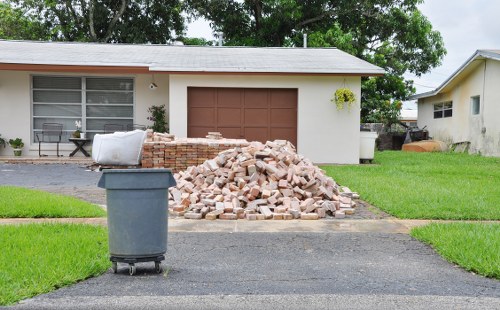
The borough benefits from strategically located local transfer stations that act as hubs for consolidating commercial loads before onward processing. These transfer stations reduce heavy goods vehicle movements through central areas by enabling consolidation into low-carbon vans and dedicated freight routes. Local sites are equipped to handle segregated streams for mixed recycling, organics, construction waste and e-waste, reflecting the boroughs approach to waste separation that encourages source segregation: dry recyclables, food and residual waste separated at the point of collection.
Partnerships with charities and social value
Part of the sustainable model is partnering with local charities and social enterprises to divert usable items from the waste stream. Donations of furniture, textiles and functional IT equipment are channelled to community organisations and training programmes, creating jobs and extending product lifecycles. The scheme supports local reuse centres and repair cafés, and includes formal agreements with charities for scheduled pickups and redistribution. These partnerships add social value while reducing the volume sent to energy recovery or landfill.
Low-carbon vans and fleet modernisation
To strengthen the eco-friendly waste disposal area concept, the fleet used for commercial waste collection in Tower Hamlets is transitioning to low-carbon vans and electric vehicles. The move to hybrid and fully electric vehicles is paired with route optimisation software to cut mileage and emissions. Using low-emission vans for final-mile consolidation from transfer stations to processing facilities helps the borough meet climate commitments and improves air quality in dense commercial zones such as Canary Wharf and Whitechapel.
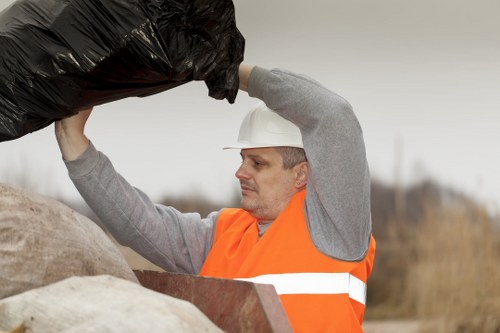
The service encourages businesses to participate in a structured waste separation system: secure communal bins for paper/cardboard, glass banks for trade glass, designated organic bins for food-producing businesses and separate containers for construction and demolition waste. A simple, standardised set of labels and training reduces contamination rates and increases the rate of materials genuinely recycled.
Practical recycling activities and borough initiatives
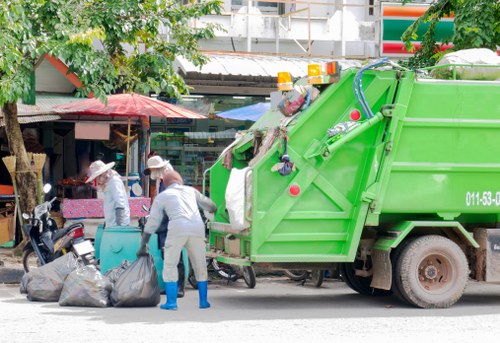
Business-focused recycling activities include scheduled collections for food waste from restaurants and cafes, dedicated trade glass collections from bars and pubs, and on-site segregated skips for builders and developers. The borough supports commercial waste collection Tower Hamlets through initiatives that enable businesses to book bulky item removals and safe e-waste disposal. Educational toolkits for staff and property managers outline practical steps to create a sustainable rubbish area within business premises, such as setting up internal recycling stations, contractually obliging tenants to separate streams, and regular monitoring.
Monitoring and reporting are central: businesses receive periodic performance reports showing tonnages diverted, percentage recycled and carbon savings delivered by switching to consolidated low-carbon logistics. These metrics help companies demonstrate compliance with procurement and sustainability policies, and support the borough’s overall waste reduction strategy.
In summary, the integrated plan for commercial recycling in Tower Hamlets aligns infrastructure (transfer stations), people (charity partnerships and training) and technology (low-emission vans and route optimisation) to create an effective, measurable eco-friendly waste disposal area. By working together — local authorities, businesses and community groups — the borough is building a resilient, circular approach to managing commercial waste that reduces landfill, lowers emissions and supports local social value programmes.
