Commercial Waste in Tower Hamlets
Commercial waste in Tower Hamlets needs a practical, dependable approach that fits around trading hours, building access and the types of material a business produces. We provide a focused waste removal service for offices, shops, hospitality premises, workshops and shared commercial sites, with clear attention to sorting, lifting and responsible onward handling. The aim is straightforward: collect the waste that has built up, keep the process orderly, and leave the space ready for normal use again.
Our service covers mixed non-hazardous business waste, bulky items, furniture, fixtures, packaging, shelving, and other everyday commercial loads that need removing from premises in the borough. Where items need separating, we handle that as part of the job so recyclable material can be kept apart where suitable. If you need to clear out business waste efficiently, start by telling us what is on site and how it is stored. Request a quotation when you are ready.
For many businesses, the most useful starting point is a simple description of the items, access arrangements and any time limits connected to the premises. That helps shape the collection without unnecessary back-and-forth. If your site includes stairs, narrow corridors, loading restrictions or items with mixed materials, those details are relevant because they affect handling rather than just the size of the load. Keep the request practical, and we can respond in the same way.
Business waste removal for day-to-day premises
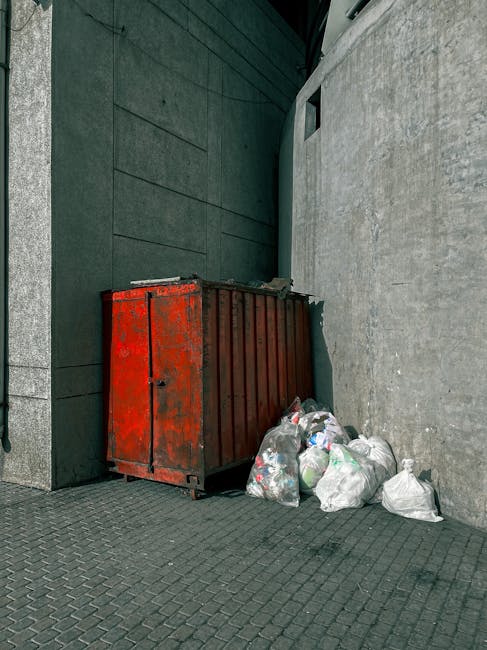
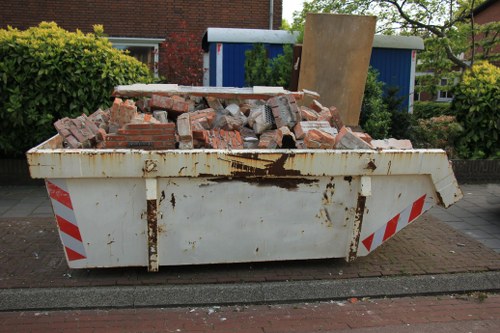
Business waste removal is often needed when storage areas become crowded, after a refit, or when general waste streams need a one-off uplift. We work with commercial customers who want a tidy, controlled removal rather than a disruptive clear-out. That can include bagged rubbish, cartons, broken office furniture, redundant fittings and mixed items from back-of-house areas. The emphasis is on removing what the business no longer needs and handling the load in a way that suits the site.
Where the waste is spread across several rooms or floors, it helps to decide in advance which areas are being cleared and which items must stay. A short list is often enough, especially if there are sensitive items, fixed fixtures or reusable furniture to leave untouched. If you need to compare options, visit business waste removal for the core service details and typical scope. For a wider overview of the collection approach, waste removal is a useful starting point.
What can usually be included
Commercial collections can cover loose rubbish, packaging, display materials, broken desks, chairs, shelving, stock room items and other non-hazardous waste created by trading activity. Some loads include a mixture of recyclable and general material, while others are dominated by bulky furniture or storage fixtures. We separate what is practical to separate as part of the removal process, but any specialist or regulated material must be identified separately so the job can be planned appropriately.
Office, furniture and equipment clearances

Offices tend to generate a different kind of commercial waste from shops or warehouses, because the load often combines furniture, paper-based material, electronics, shelving and obsolete fixtures. We support office clearances that need desks, chairs, cabinets, reception units or stored items removed in one organised visit. The aim is to reduce disruption, preserve anything that still needs to be used, and handle the surplus efficiently. office clearance gives a more specific view of that service.
When furniture is being removed alongside ordinary office waste, it is best to identify any pieces that are large, heavy or awkward to move, particularly if they are located upstairs or in shared corridors. That helps with planning the route and the labour needed. For standalone items, the disposal of larger furnishings can also be arranged through furniture disposal, while furniture clearance suits broader clear-outs where several items or a whole area are involved.
In practical terms, office waste removal is rarely just about volume. Access, item type and separation needs all affect how the work is carried out. If you are leaving confidential paper behind, that should be handled as a distinct stream rather than mixed into ordinary rubbish. If the load includes monitor stands, cabinets, old storage systems or loose furniture fittings, mention them in the request so the collection can be matched to the contents rather than estimated too loosely.
Clearances for stock rooms, lofts and storage spaces
Commercial premises often have spaces that fill up over time: lofts above offices, rear storage rooms, under-stair cupboards, basements or back-of-house areas that stop being actively used. These spaces can hold a mix of archived items, broken fittings, spare fixtures and surplus furniture. We handle clearances that focus on those concealed or hard-to-manage areas, with attention to safe lifting and reasonable access. For larger upper-level spaces, loft clearance covers items stored overhead.
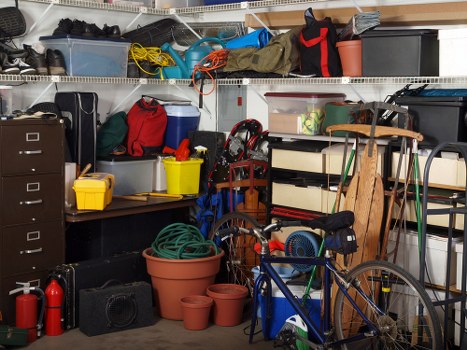
Some businesses also use garage-style stores, side units or lock-up rooms for holding equipment, seasonal stock or redundant materials. When those areas need emptying, the work is usually simpler if the contents are grouped by type before collection. That makes it easier to distinguish between reusable items, ordinary waste and anything that requires special handling. If the room is densely packed, a brief note about the layout can help, but there is no need to over-explain. The key point is what should go.
In this kind of service, it is sensible to think about the outcome rather than just the rubbish itself. A cleared storage room may need to be left ready for cleaning, maintenance or re-use, so we remove the waste in a way that makes the next step easier. If you need the whole area emptied, garage clearance and home clearance are relevant where mixed stored contents are involved, though commercial customers usually focus on the business function of the space first.
Bulky item disposal and specialist load types
Many commercial waste jobs involve bulky items rather than bagged rubbish. That can include broken furniture, old stockroom fittings, mattresses from serviced accommodation, sofa units, bulky display pieces, appliances and other awkward objects that take up valuable floor space. We manage those removals as part of a controlled collection, rather than asking the customer to break everything down beforehand. Where the load is dominated by a single item type, a more specific disposal page may be the best fit. mattress and sofa disposal and fridge and appliance removal cover those categories.
Bulky waste usually needs more planning than it first appears to need. Door widths, stair turns, lift access, shared corridors and the route from the item to the vehicle can all matter. Even a short job may require careful lifting if the item is heavy, oversized or needs to be carried through a live workspace. If there are several large pieces together, list them clearly so the work can be matched to the actual load rather than to a rough guess.
When customers ask about mixed bulky waste, the most useful detail is not only what is present, but what condition the items are in. A flat-pack cabinet, a solid wood desk and a metal shelving unit may all need different handling. This is why a single catch-all description is sometimes less helpful than a plain inventory. Tell us what needs removing, what should remain in place, and whether the items are in a reception, store room, upper floor or external compound. That keeps the request accurate.
Recycling, sorting and responsible handling
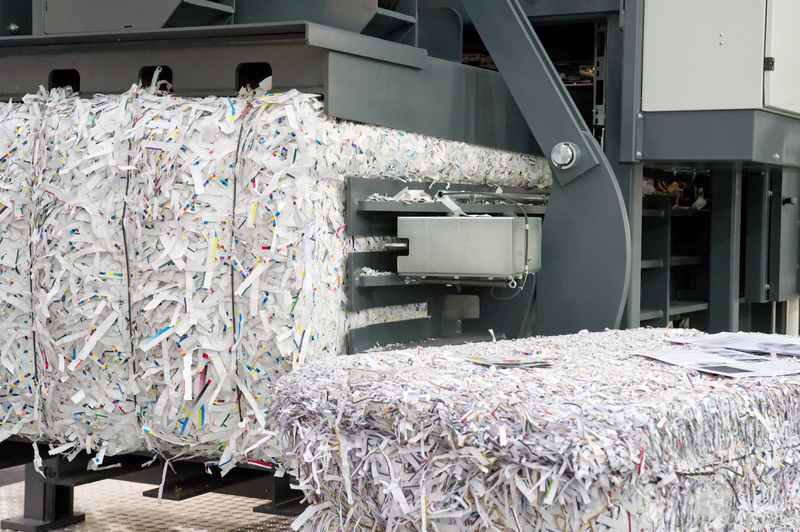
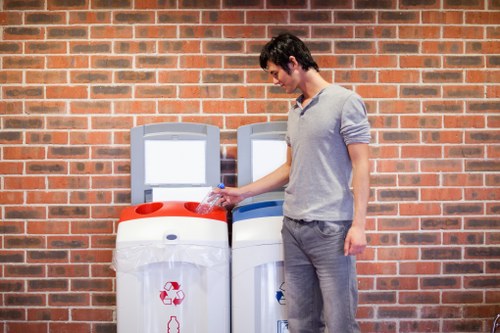
Commercial waste should not be treated as a single indistinct pile. Different materials have different routes, and some items are better separated before collection because they can be recycled or handled more effectively in distinct streams. Where suitable, we sort common business waste so that recyclable material is not simply mixed into the general load. This approach is especially useful for offices, retail premises and premises with repeated packaging, shelving or furniture turnover.
For businesses that want a clearer view of what happens after collection, the recycling side of the service matters. It is not just about taking items away; it is also about making reasonable decisions on what can be separated and what cannot. For more on the broader approach, recycling and sustainability explains the principles behind the handling of collected material. If the waste includes items that must be controlled with extra care, such as regulated or potentially dangerous material, the correct route is to identify that before booking.
There are also limits that matter. Some loads require specialist treatment, and not every item belongs in ordinary commercial waste. If you are unsure whether something is suitable for the service, the safest approach is to describe it plainly rather than making assumptions. That helps avoid delay and ensures the collection is matched to the right disposal route. It also means the quotation reflects the actual task, not a simplified version of it.
Hazardous or sensitive materials
Some commercial premises hold material that should never be added to a general waste load without proper identification. That includes items with contamination risk, substances that are regulated, and materials needing separate handling because of their condition or composition. We do not present ordinary commercial clearance as a substitute for specialist hazardous treatment. Instead, the important step is to identify the item correctly and direct it to the right service. hazardous waste disposal is the relevant page for that type of work.
Confidential paper and records are another category that should be treated carefully. Businesses sometimes have archive boxes, obsolete files or printed material that need secure handling rather than standard rubbish removal. For that reason, it is better to separate sensitive paper from the rest of the load and mention it clearly in the request. Where shredding is required, the service is described on confidential shredding, which sits alongside other secure disposal needs.
Pricing factors and quotation details
Commercial waste pricing is usually shaped by practical factors rather than a fixed one-size-fits-all rate. Load size, item type, access, labour involved, time on site and any separation or specialist handling all affect the final quotation. A small office removal with straightforward access is very different from a mixed clearance involving several floors, awkward furniture and controlled sorting. That is why the most accurate enquiry is the one that describes the actual work, not just the general idea.
Useful quotation details include the type of premises, approximate quantity, whether the waste is bagged or loose, and whether there are stairs, lifts, parking limits or timed access windows. If you are deciding what to include, focus on the items that are physically difficult, time-sensitive or unusually bulky. There is no need to create a perfect inventory; a sensible overview is enough to start. pricing and quotes explains how that information is used when assessing the job.
When you are ready, a brief request can cover everything needed: the main item groups, the site layout and the preferred time frame. Then we can shape a quotation around the real task instead of a generic estimate. Send the details that matter most, and if the job is suitable for online scheduling, book online is available as a convenient next step for some enquiries.
About Tower Hamlets
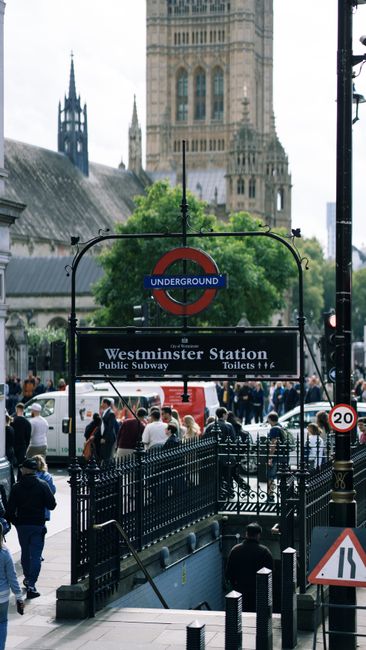
Tower Hamlets is an East London borough shaped by layers of riverfront trade, migration and urban change. It stretches from the northern edge of the Thames in the south up through districts such as Whitechapel, Stepney, Bethnal Green, Bow and the Isle of Dogs, linking older inland neighbourhoods with major waterside redevelopment. The borough sits immediately east of the City of London and has long been influenced by its position close to the historic docks, markets and transport routes that connected London to the wider world. That layered past is still visible in the street pattern, in the mixture of Victorian terraces and later estates, and in the contrast between conserved heritage buildings and newer high-rise development. The area includes parts of the wider East End, a name associated with dense working-class settlement, industry and successive waves of new arrivals. Along the river, Canary Wharf has become one of the best-known modern landmarks, while elsewhere the borough retains older commercial streets, religious buildings, community spaces and market traditions that reflect its varied population. Brick Lane, for example, is widely known for its changing identity over time, from historic migration routes to a contemporary cultural and food destination. The borough also contains green and open spaces such as Victoria Park on its western side, together with stretches of dockland water, canals and restored wharves. These features give Tower Hamlets a landscape of strong contrasts: historic and modern, residential and commercial, civic and industrial. The combination makes it one of London’s most distinctive inner boroughs, with a local character that is closely tied to movement, trade and reinvention.
Households, mixed premises and larger clear-outs

Although this page focuses on commercial waste, many business customers also deal with premises that contain mixed domestic-style contents, especially above shops, in converted buildings or in properties with both living and working space. In those cases, the practical approach is to separate the business waste from any household items so the collection can be planned properly. Services such as flat clearance, house clearance and loft clearance can be relevant where the contents extend beyond ordinary trade waste.
For premises that have become cluttered over time, a larger clear-out may be the simplest way to regain usable space. That might involve furniture, boxes, archived stock, old display pieces or items left behind after a move, refurbishment or reorganisation. The important thing is to describe the area in plain terms and identify anything that needs to stay. If you are dealing with a larger property or multiple rooms, a focused home-style clearance may still be the right operational model even when the building is used for work.
Request a quotation if you want the waste removed in a way that suits the site, the items and the access available. A concise description is enough to begin, and if you need to compare related services, the pages above show the main options without forcing the work into the wrong category. Keep the request practical and specific, and we can respond with a quotation that reflects the actual collection needed.